
The Permanent Seminar on the Right in Mexico (SPDmx) was established on June 17, 2015, by Dr. Tania Hernández Vicencio. It began as a small group of scholars interested in conducting a systematic study—grounded in social and political history—of the development of right-wing movements in Mexico. Although some studies had already been published, it was important to contribute with a broader, multidisciplinary perspective from the National Institute of Anthropology and History (INAH).
In addition to carrying out the vital task of safeguarding Mexico’s cultural heritage, INAH has been a cornerstone in the analysis of the formation of the national state and the consolidation of the modern Mexican state. Throughout the last century, the historiography published under INAH’s imprint has been a crucial reference point for understanding Mexico’s social and political history.
However, with the onset of the twenty-first century, it became necessary to open new research lines to address issues that had been insufficiently studied yet forcefully emerging. To this end, it was essential to foster dialogue among various social science disciplines to gain a broader understanding of the complexity of long-standing processes that remain powerfully resonant in the present.
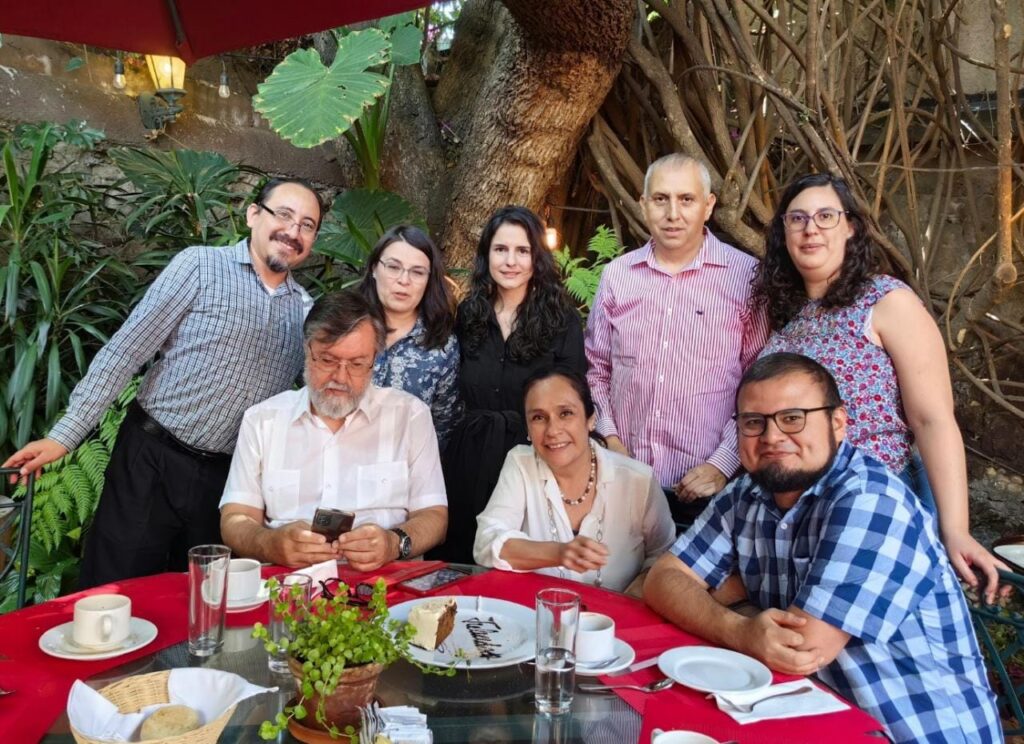
From this perspective—and considering the growing relevance of the paradigm and methodology of the history of the present—it became essential to examine the trajectories of a broad network of individual and collective actors who, throughout the last century, were situated on the right of the national political spectrum and who reappeared and renewed themselves within the framework of new political contexts.
It is worth recalling that, in the context of the so-called democratic transition, the National Action Party (PAN)—the historic representative of the Mexican right—reached the presidency of the Republic in 2000 and governed for two consecutive six-year terms. Subsequently, the Institutional Revolutionary Party (PRI) returned to power in 2012, based on a political platform markedly different from the one that had originally defined it. Within the PRI, technocratic and conservative groups had risen to prominence, aligning with the currents with which panismo had identified since the 1980s. The first decades of the twenty-first century showed that a broad right-wing alliance had taken shape in Mexico, committed to a transition with neoliberal and neoconservative features.
What processes were key in the articulation of the Mexican right throughout the twentieth and twenty-first centuries? What were its main characteristics, strategies for action, and programs? Which national and transnational networks have been important in shaping its configuration? What regional projects, rooted in a conservative political culture, were part of this dynamic? What changes and differences can be identified over time?
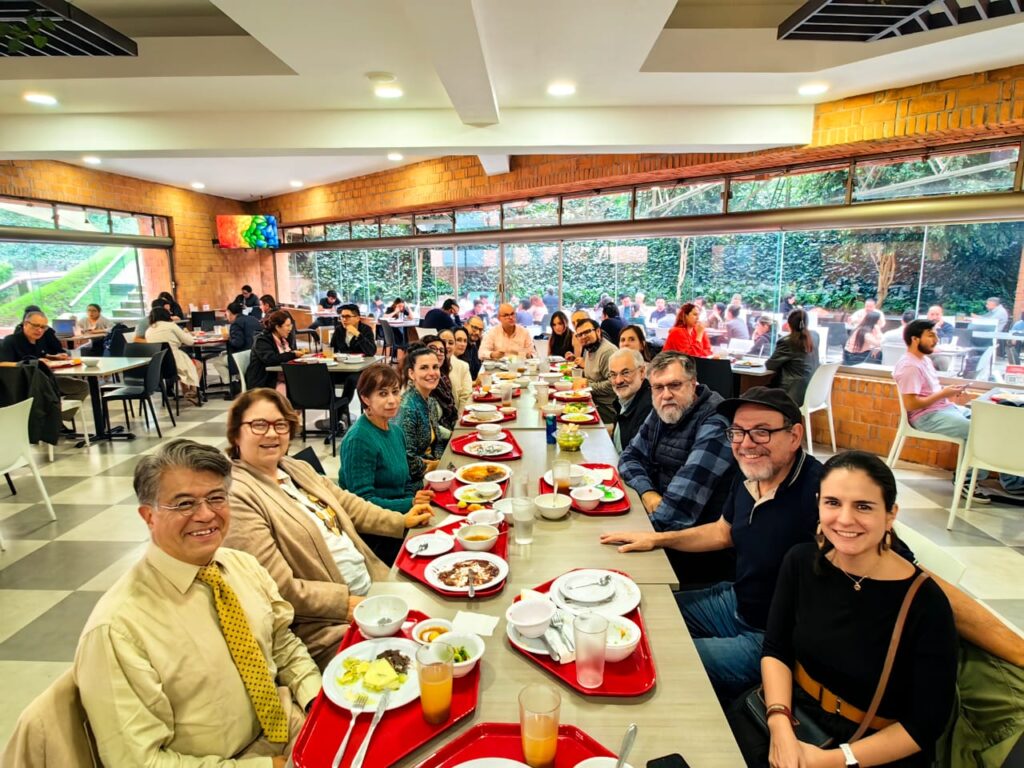
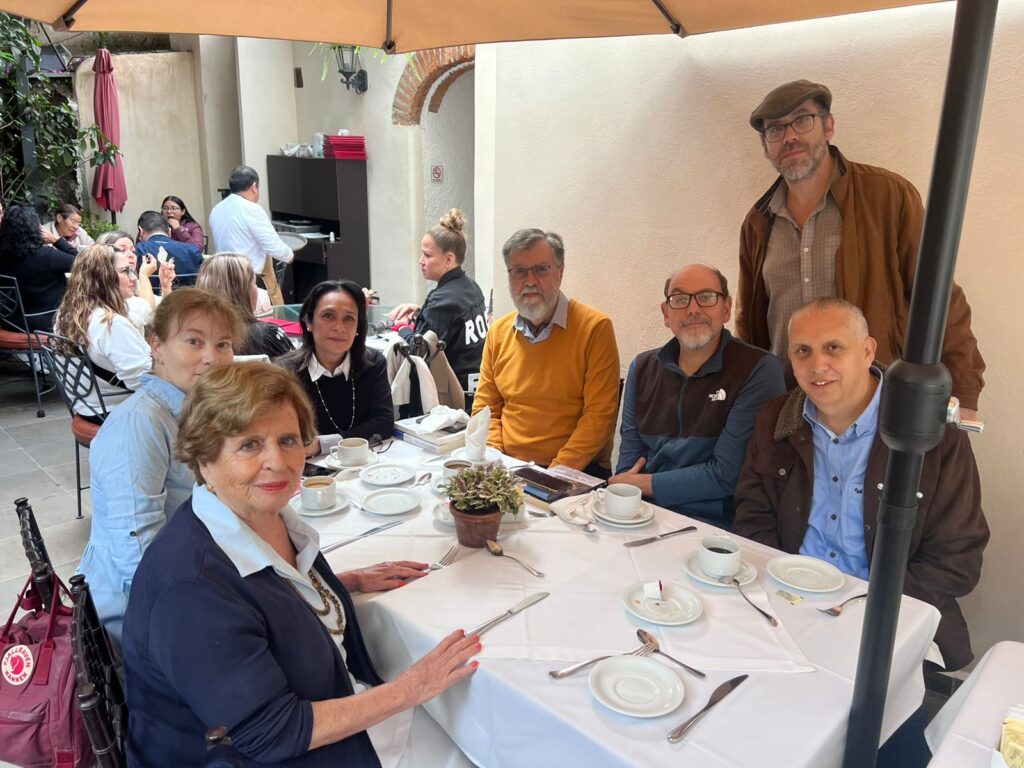
These and other questions led us to enthusiastically begin the first sessions of what we called the Permanent Seminar on the Right in Mexico. Since then, we have met monthly, both in person and online, with the Directorate of Historical Studies at INAH serving as our institutional home.
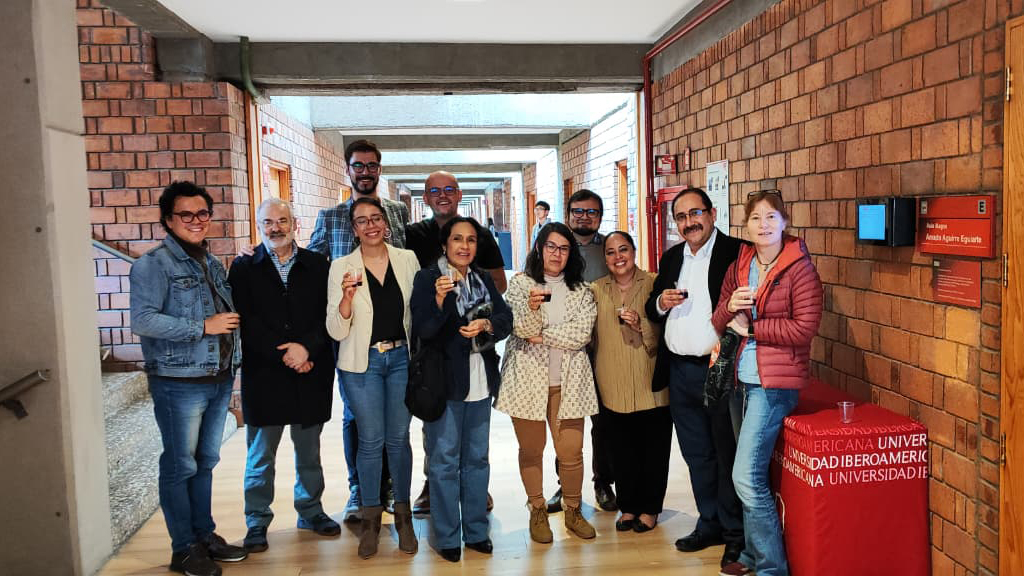
A once años de ese inicio, hoy podemos decir que somos un colectivo consolidado de más de treinta investigadoras e investigadores formados en las humanidades y las ciencias sociales. Nos caracterizamos por el desarrollo de sólidas investigaciones individuales y colectivas que documentan, a partir de la consulta de varias fuentes primarias y con distintas metodologías, los desarrollos de los principales actores de la derecha mexicana y de sus redes.
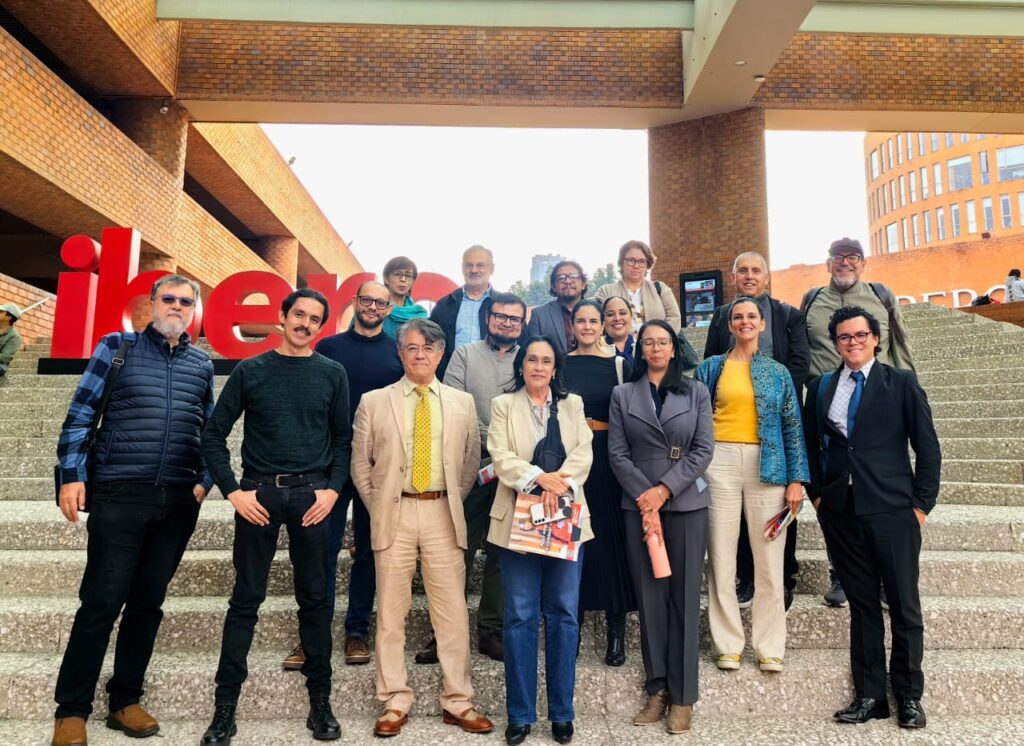
Our Seminar has focused on different dimensions. For example:

We have examined the configuration of specific actors and their particular dynamics;

We analyze the construction of national and transnational networks through which they exchange ideas, organizational resources, human capital, and funding;

We study the development of their economic, political, social, religious, and cultural projects;

We reflect on specific topics such as the formation of a civic culture from the perspective of liberal and conservative right-wing currents;

And we discuss how key moments in social history have triggered their activism in Mexico.
Entre 2015 y 2026 hemos publicado:
10
libros colectivos y
4
4 thematic journal issues.
We have also organized:
7
7 national colloquia;
2
2 international events.
In addition, we benefit from the recognition and support of the Ministry of Science, Humanities, Technology, and Innovation for the development of an ambitious project entitled The Mexican Right: Tensions, Actors, and Agendas in the Twentieth and Twenty-First Centuries. As part of this project, we will hold:
1st
Workshop for Young
Researchers on the Right; and
1st
Youth Essay
Contest on the Right.
After ten years of work, at the 2025 colloquium we addressed four dimensions that we consider essential for analyzing right-wing movements:
1.
Concepts and methodologies for addressing their current complexity;
2.
Changes and continuities in the social bases of the right;
3.
New developments in the dynamics of right-wing groups, organizations, and institutions;
4.
Emerging research agendas
for the study of recent issues.
It is important to highlight that more than thirty papers were presented at each of the international colloquia held in 2023 and 2025. Most seminar members took part by presenting the results of their research, and we also welcomed significant participation from scholars from Brazil, Argentina, Uruguay, France, Spain, Canada, and the United States.

SPDmx is at an important stage in its work for the coming years. Just as we were pioneers in conducting research on this topic, we will now continue contributing in the area of academic training for young researchers and students interested in developing innovative projects based on previously unexplplored sources, creative methodologies, and conceptual approaches that enhance understanding of the complexity of right-wing networks.

In the Mexican context - where a left-wing government project is currently in the process of consolidation - the study of the strategies pursued by right-wing opposition forces is particularly compelling. This helps sustain discussion within the seminar, with other national networks, and with international academic communities that contribute important reflections relevant to the national reality.






We appreciate the support of the National Council for Scientific and Technological Development (CNPq), through the project coordinated by Prof. Dr. Leandro Pereira Gonçalves, from the Federal University of Juiz de Fora, Brazil, for the translation of this page into Portuguese and English.
Ignacio Allende 172, Tlalpan Centro
Ciudad de México 14000